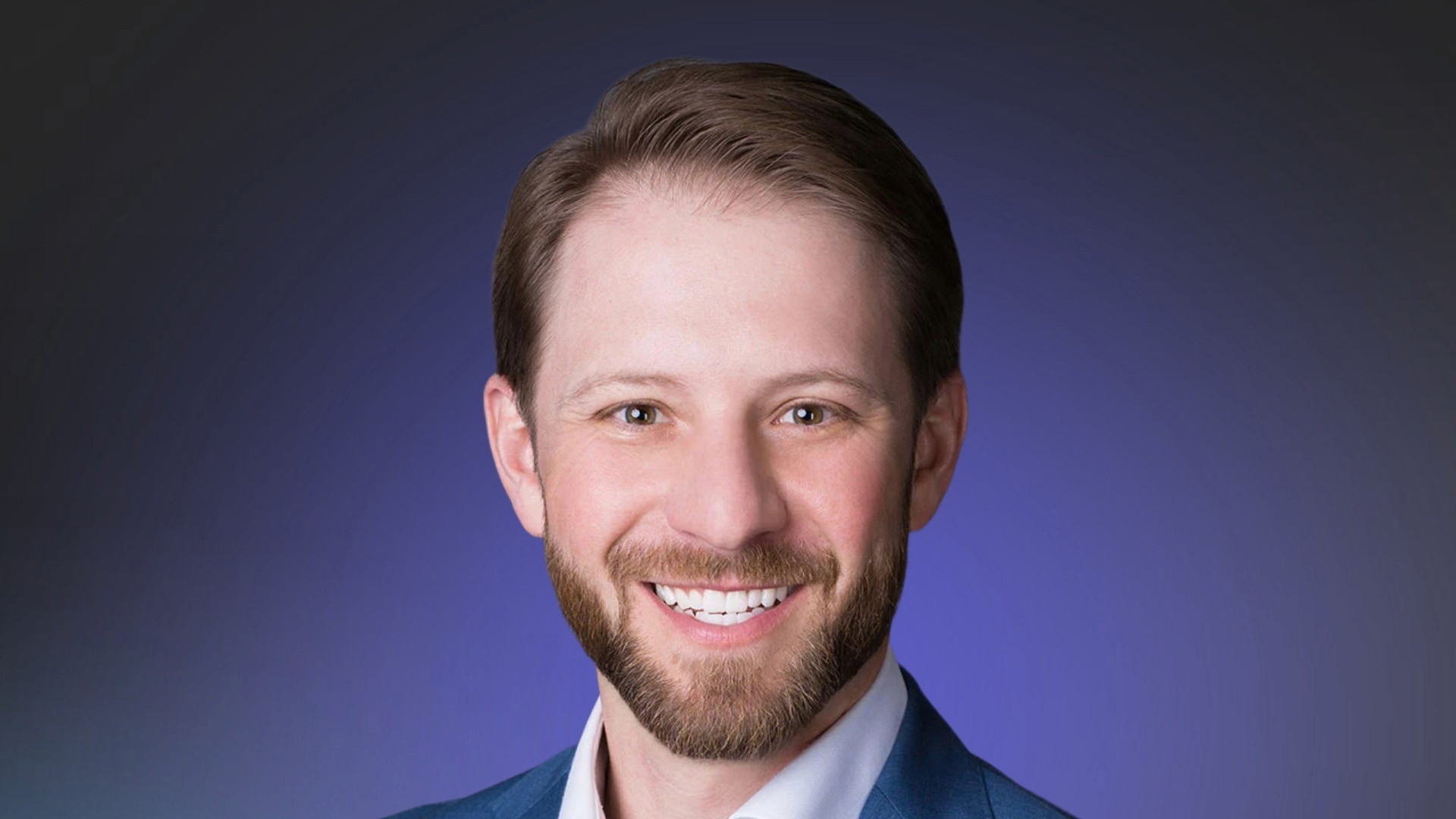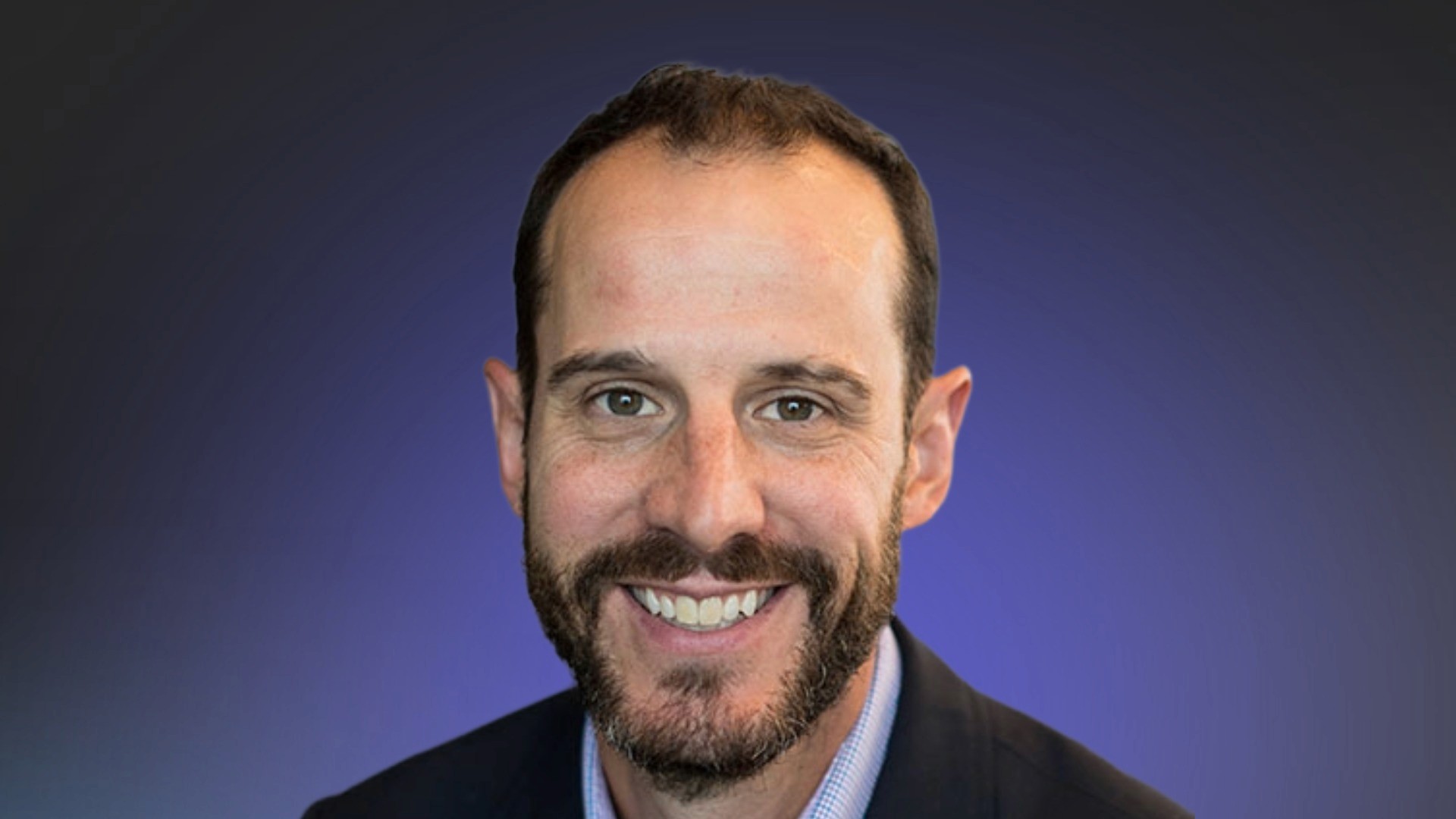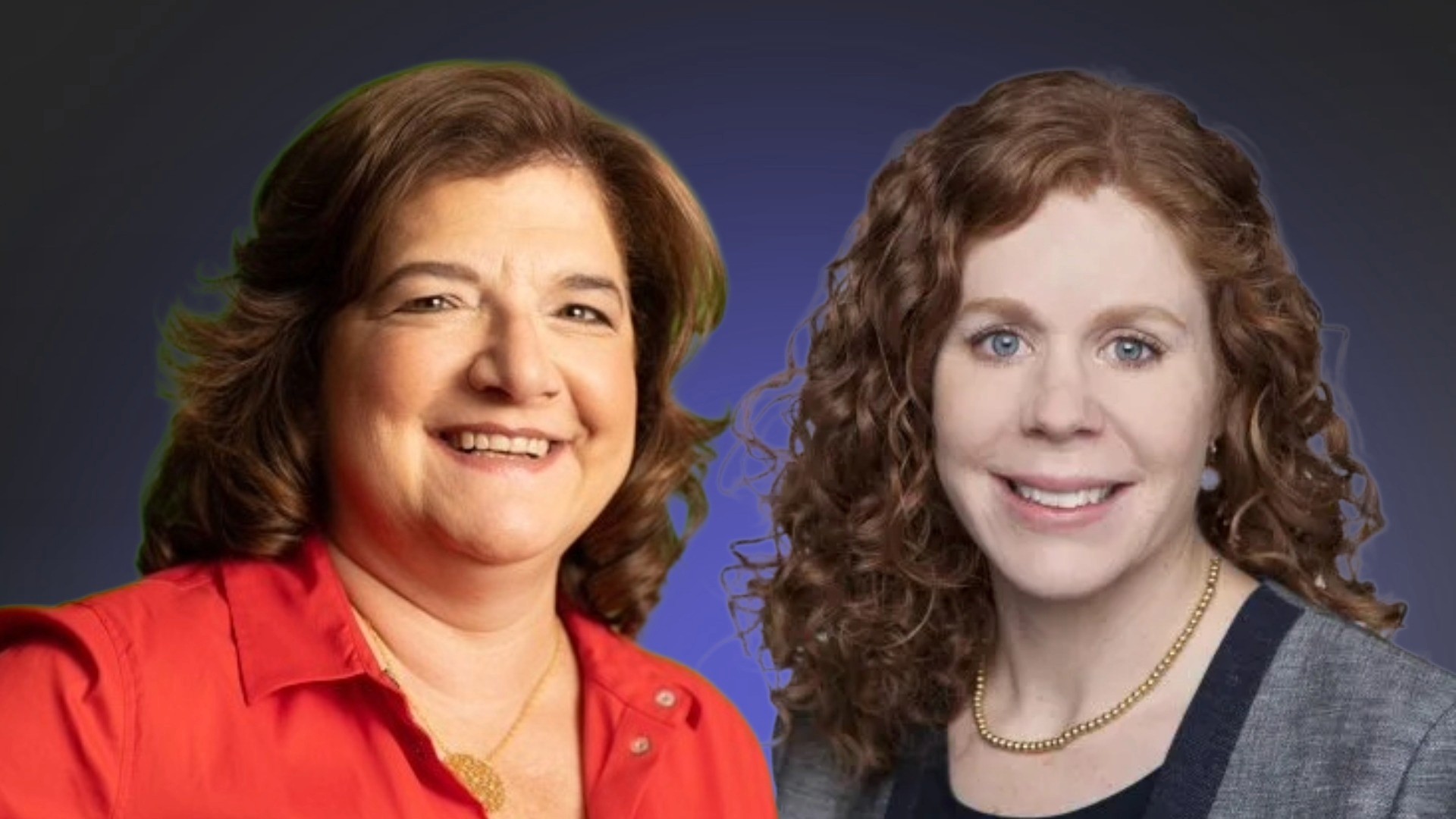
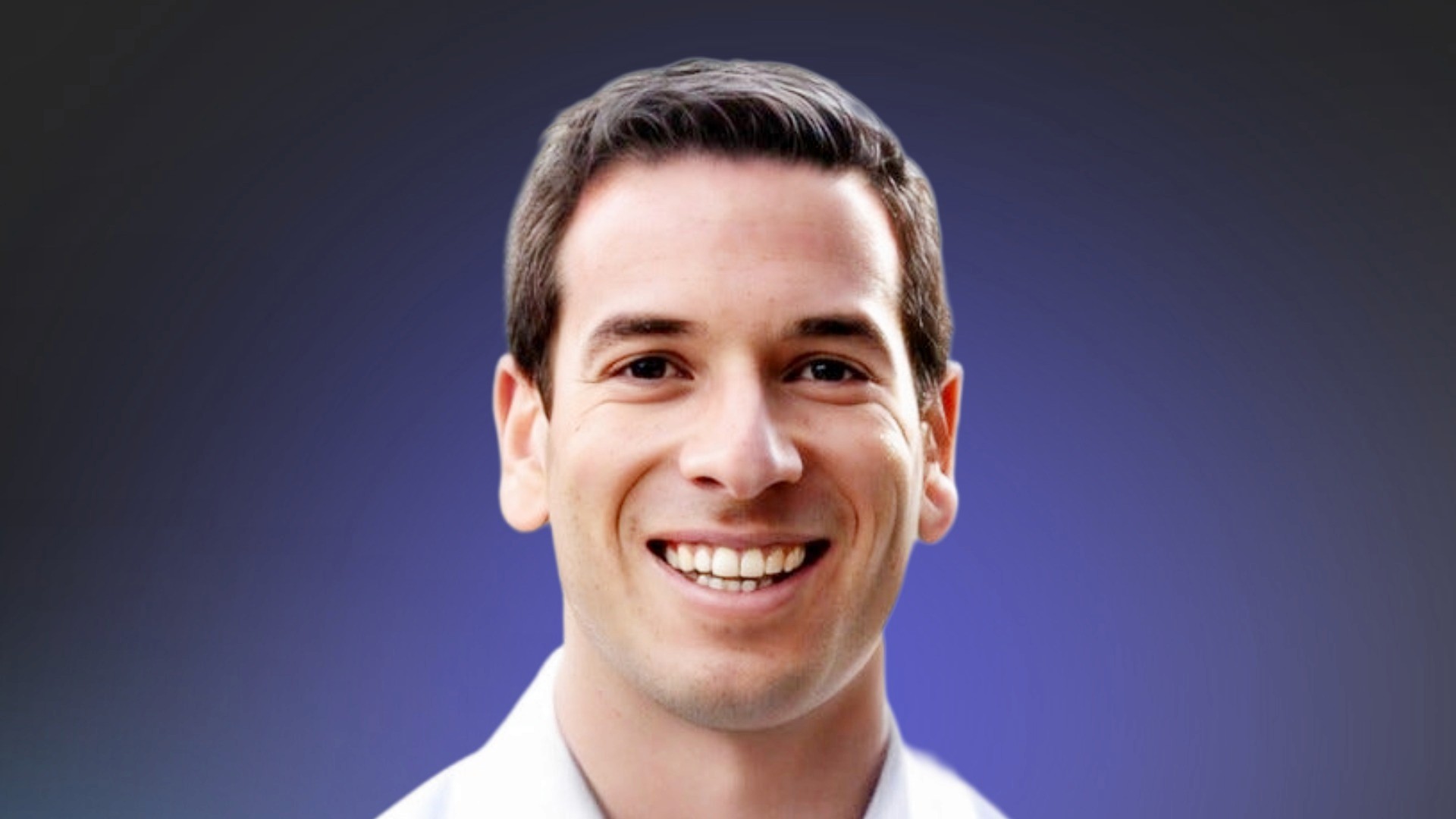
Are we truly healing patients if we fix their health but ruin their credit? In this episode of HealthTech Remedy, we sit down with Seth Cohen, President of Cedar, to tackle the most universally dreaded part of the healthcare journey: the medical bill. You’ll discover how shifting revenue cycle management to prioritize the patient financial experience can alleviate financial toxicity while simultaneously boosting a health system's bottom line.
As millions of Americans face the Medicaid coverage cliff and the continuous rise of high-deductible health plans, the out-of-pocket burden on patients has never been heavier. Seth breaks down how Cedar uses agentic AI to disrupt traditional billing, transforming static, confusing statements into personalized financial navigation. By leveraging large language models and virtual agents, the platform proactively connects patients with hidden resources like dormant HSAs and pharmacy co-pay assistance before a bill even drops. Tune in to find out how this targeted technology is preventing catastrophic medical debt, including a powerful patient story that proves exactly why this empathetic framework changes lives.
Episode Resources:
Navigating the Healthcare Coverage Cliff
Dr. Paul Gerrard:
Welcome to Health Tech Remedy, the show where three physician leaders in health technology break down the stories behind today's most innovative health companies and speak with the leaders shaping the future of care.
I'm Paul Gerrard. I started my career in physical medicine and rehabilitation before focusing on reimbursement policy, molecular diagnostics, and market access for AI-driven health technologies.
Dr. Tim Showalter:
I'm Tim Showalter, a radiation oncologist and former med device entrepreneur now focused on scaling AI technologies that improve healthcare. Absent on our roll call today is our beloved co-host, Trevor Royce. We're going to try to hold it together with Adam.
Today, we're diving into a company that has spent the better part of the past decade trying to fix what might be the most universally disliked part of healthcare—other than if you're Paul Gerrard, who has a special interest in this—the bill. We're talking about Cedar.
Dr. Paul Gerrard:
We are currently navigating the fallout of the One Big Beautiful Bill Act. Not to say that the fallout is good or bad, but that's the land we are in. While the legislation aimed to improve transparency and program integrity, the reality is that we have six-month Medicaid redeterminations and new work requirements, which is why they have created what many consider to be a coverage cliff.
The projections are stark. It's possible that 12 million Americans could lose Medicaid coverage this year.
Dr. Tim Showalter:
And then for hospitals, if you're looking at the bottom line and the overall revenue potential, it's a potential financial shock. Some estimates suggest a major net income decline for some health systems based on their patient populations and what kind of coverage mix they have.
The Potential of Agentic AI in Revenue Cycle Management
Paul, I think maybe we should head straight into this role of AI in reimbursement operations and revenue cycle management. You mentioned that already as a teaser when we started our conversation this morning. It's clearly an area where there's an opportunity for agentic AI to make an impact.
It's an area where there are a whole set of legacy vendors that were founded before the era of AI, so it's really ripe for disruption. Why don't you give us some thoughts about the area that Cedar is playing in overall?
Dr. Paul Gerrard:
As we've talked about before, everything related to billing is very manual. It starts even on the front end with getting information on who the patient's payer source is, whether it's insurance, Medicaid, self-pay, or if somebody has switched jobs and has new insurance.
And then of course, on the backend, actually billing for the service. It tends to be a very manual process. There's a lot of interest in automating that as much as possible, and there's been a lot of interest in agentic AI and healthcare operations on this.
I suspect that one of the big things that is going to make a difference for companies is the data moat. In the case of Cedar's platform, they've processed more than 1 billion patient interactions, which potentially gives them a large data set on how patients actually navigate healthcare bills.
But it sounds like the turning point for them was really their 2021 acquisition of Ooda Health. I hope I'm pronouncing that correctly—we have a history of mispronunciations on this show, particularly you and I—they've effectively bridged that gap.
They tried to turn that data into action with Kora, which is their AI voice aid. It's not supposed to be just a chatbot, but really agentic AI—software that can actually resolve issues autonomously. When the patient calls up and says, "Why is my bill so high?" the system can synthesize the various remittance information and respond in real time.
Hopefully, if there is an error, it can identify that and flag it and either get the wheels in motion on resolving it if it can't be resolved right there in the computer system. Anyone who has lived through any hospitalization knows that if you get 10 bills, there's at least one error somewhere in them. It takes three hours of phone calls to unwind the error.
Often that is a mix of patient's time and time at the provider's office. They've already reported a 30% reduction in billing calls at ApolloMD and a 42% lift in collections. It sounds like part of what is driving this is that they are triggering workflows rather than just sending a bill.
They partnered with a number of other companies like Fortuna Health to automate enrollment. Additionally, they are working with TailorMed to surface medication assistance grants inside the billing experience. There's a lot of things coming together, pulling together a lot of different resources scattered throughout the healthcare and bureaucratic ecosystem to try to cover a gap in the system.
Cedar’s Positioning in the Competitive Billing Market
Dr. Tim Showalter:
Obviously, you hear these stats that are shocking about medical bills being a primary cause for bankruptcies in the United States. As a provider, I think most of us feel pretty disconnected from the revenue cycle management process.
This step of thinking about it as part of the overall experience for a patient and really having that retail layer is a real opportunity for disruption. It also seems like it's perfect for agentic AI because it's so complicated.
I myself had the experience of calling to ask a question about a bill and one episode of care is not connected to a master account for me as a patient. It just seems like perfect for a fast-thinking AI agent to pull together disparate sources.
I think it's worth thinking through the competitive landscape. You can't think about a health technology company without giving some consideration to what the traditional players look like in this space. We all have a sense of what that process looks like from brick and mortar healthcare players and the large entities.
There are others in this space. I think Waystar is one that's worth mention in terms of having some agentic AI processes and high scale of processing healthcare claims. I'm guessing they're probably bigger than Cedar.
My understanding of the market positioning here is that Cedar's really carved out this focus on that downstream patient engagement, helping to enable the workflows and solving for the "what next" issue for patients, which is the stress reduction and problem solving that folks are looking for.
Whereas what I've seen about Waystar is more about high volume of denial prevention and claim scrubbing and the operating system for revenue cycle management for the hospital. I think Cedar is doing a really good job of positioning itself to really pull it through for patients.
This may be really important in the One Big Beautiful Bill Act. I always get that wrong, but I think that's right. In that era where it needs to be really dynamic, you need to account for dynamic coverage landscapes and to sort of react in real time.
Interview: Seth Cohen on the Patient Financial Experience
Dr. Paul Gerrard:
Joining us today is Seth Cohen, president of Cedar. Seth has been deeply involved in the company's strategy around what they call the digital safety net for healthcare finance.
He recently stood on the stage at HLTH and said that freedom from financial worry is a prerequisite for health. So it'll be interesting to hear how Cedar is moving the needle for millions of people falling through the cracks.
Dr. Tim Showalter:
That's such a bold quote. I'm so excited to hear from Seth. So stay tuned, listeners. Here's our conversation with Seth Cohen. Seth Cohen, welcome to Health Tech Remedy. It's great to have you here.
Seth Cohen:
It's great to be here.
Dr. Tim Showalter:
We're excited to learn more about what you're up to at Cedar, and I think it's going to be an interesting conversation for our listeners.
Seth Cohen:
Fantastic.
Dr. Trevor Royce:
One of the most common themes that we cover on this show is the financial and payment side of medicine and just how broken a lot of that is and how much improvement there is to be made.
Particularly as it relates to transparency—understanding both from the patient perspective and the physician perspective—what are the prices in healthcare, what are the costs, and how do you make informed decisions?
With that context, I’m pretty excited to have you here because I think this is an issue you guys have been thinking about for many years now. I would love to hear on a very high level about Cedar, what problem you're trying to solve, and your perspective on it.
Understanding the Shift to High-Deductible Health Plans
Seth Cohen:
Cedar is a company that's focused on the patient financial experience. We're in the revenue cycle space. Unlike most activity in the revenue cycle space, which tends to be more oriented and focused on payer reimbursement, we are 100% focused on the patient experience.
Payers have been the majority of reimbursement for a long time now for good reason. But we think focusing on the patient is important because over the past 10 years, the patient relationship to healthcare has become far more financial.
That's because we've had the advent of high deductible plans and exchange plans and a rise of self-pay. It used to be people would just show up and pay a $5 copay at the front desk. But now patients are leaving hospitals and large provider groups with thousands of dollars of medical debt.
We believe now more than ever, there's an importance in focusing on that experience and finding ways to both support a positive patient financial experience while helping providers hit their margin targets and not have to write off a lot of money. That's the problem that Cedar's trying to solve.
Dr. Tim Showalter:
It seems like you've got a laser focus on the patient experience, but it's actually a pretty broad problem. Can you give us a little more insight into how complex it is and how many solutions Cedar needs to take that on?
There's not only just understanding the medical bill itself, but there's also financial assistance programs and coverage. I'm curious if you could break that down a little bit more for us.
Seth Cohen:
It's a fair call and a nice insight. On the one hand, we pride ourselves on being very narrowly focused on a particular stakeholder. But that stakeholder is very complex, and there's a lot of diversity to the problem.
Let's first acknowledge just how much it's changed for patients overall. Back in 2005, a high deductible plan was an experiment. It was this idea of a consumer-driven health plan. About 2% of Americans had one.
For the first time in 2023, the majority of Americans are covered under a high deductible. While medical trend has continued to surpass overall country inflation, out-of-pocket costs have outpaced medical inflation every single year for the past 12 years. Patients have been the entity absorbing disproportionately medical inflation in this country.
Within that, there's a diversity of circumstance that patients feel. You have some folks who continue to have really great commercial coverage—lower deductibles and very high capacity to pay. They're navigating through the system maybe a little frustrated with how much they need to spend, but they're fully capable of covering those costs.
The problem is that percentage of folks is shrinking every year. What we're seeing is a bifurcation. You have this shrinking population of folks who can comfortably cover their costs, and then everybody else.
There's a whole set of things going on there. One is people signing up for catastrophic insurance thinking they have coverage, not really understanding how deductibles work. Then they show up with an expectation that their care is covered and are very surprised to have a $1,000, $5,000, or $10,000 obligation that they cannot cover.
In some ways, these commercially insured patients are effectively self-pay patients. I was talking to a CFO yesterday of a big health system in the Southeast who said they're no longer classifying patients with individual exchange coverage as commercial coverage because they're actually behaving much more like uninsured folks.
Then you have a large population of folks who are eligible for resources and aid who are not getting it. 90% of pharmacy co-pay assistance available for manufacturers are not being taken advantage of today.
Two-thirds of HSA accounts—health savings accounts—have never been touched. They are dormant accounts that have never been opened or accessed. And of course, you have a bunch of folks who are eligible for Medicaid who don't access it today, and that's going to get harder.
That gives you just a flavor for some of the different circumstances that we need to navigate if we're going to solve this patient problem.
Dr. Trevor Royce:
It's critically important to appreciate just how big and complicated it is. As you think about this move towards high deductible plans, it’s interesting how that actually impacts the care you receive.
Particularly as an oncologist, if you are paying out of pocket for some service, maybe you're going to choose some treatment versus another or skip a therapy. Obviously that has implications for the patients and society at large.
Do you see these trends changing? What do the next five to 10 years look like in terms of payers and coverage for patients and how will you guys sit in that?
Seth Cohen:
I don't have a crystal ball, but we feel pretty certain that patient out-of-pocket costs are really only going one direction. They've only gone one direction the last 12 years.
Even the past six months with some of the policies coming out of this administration—like the reconciliation bill that was passed over the summer—that is directly driving higher out-of-pocket expense because it's removing insurance coverage for folks who are covered today.
What I'm referring to is the Big, Beautiful Bill. That act is removing Medicaid coverage. When you're covered by Medicaid, you have no out-of-pocket costs. When you remove Medicaid coverage, you take someone from having zero out-of-pocket to now having some of the largest bills and the least capacity to pay.
We can say with certainty that in 2026, you will see significant increases in patient out-of-pocket. It's only headed one direction. Patients continue to bear the burden of the expense of our system. I don't see any evidence that this is just going to go away on its own.
Moving from Static Billing to Personalized Financial Navigation
Dr. Trevor Royce:
I think we've set the stage nicely on the problem. Maybe we shift towards the solution and what you guys are building and how it fits in.
Seth Cohen:
I'll first start by saying there's no silver bullet here. Anyone who claims to have solved the problem or says the only thing you need to do is buy their solution doesn't have it figured out. As you noted, this is broad and complex.
The first thing we think about when it comes to solutions is acknowledging that patients are showing up with very different circumstances. Trevor, you might be coming in with your $20 copay because you've got some great gold plan and you're very capable of paying. What you need is convenience and ease.
You want to be able to pay a bill in between your meetings and move on with your life. But Timothy, you showed up in the ED and you have a $4,000 bill. You thought you had good insurance coverage, but it turns out you don't. You're afraid and not sure where to go.
If we acknowledge that a solution needs to accommodate those different circumstances, we have to depart from the status quo. Today, we send the same thing to everyone on the same cadence. Everyone gets the same Epic MyChart notification or the same billing statement from their provider. There's nothing tailored or customized.
A big tenant of our solution is sending different messages to different people in different channels. With Trevor, we might send you a text and say, "We had your card on file. Just click yes and you're done."
Timothy, for you, we're probably going to send you an email or call you with a virtual agent saying, "We have payment plan options and financial assistance options. Let's walk you through those." We shouldn't wait for you to complain in order to get you that information.
Dr. Tim Showalter:
It's so interesting because that level of service is something that you might expect in industries outside of healthcare. If you go to purchase a car, you're not going to just get quoted what the cost is. You're going to be helped with financing for it.
Some of these healthcare bills are the size of a car. In delivering that bill, you need to provide the right support to make sure that the patient is supported in that process.
Seth Cohen:
Even within medicine today, there's personalization and precision medicine. You have care navigation and care coordination within the halls of a hospital to help patients navigate a care journey. But there's no equivalent for the financial side of things.
The idea is: how do you create a financial navigator or a financial coordinator just as we would for the clinical experience? When you help people navigate instead of just bill them, it's a different frame of mind.
Before we send you a bill, can we first figure out what you are eligible for with respect to resources? Do you qualify for our charity care? Are you eligible for an insurance plan that you didn't sign up for? Do you have HSA dollars sitting in a bank account somewhere that you forgot you have?
If we can put ourselves in the frame of helping you get to resources you're eligible for, that is an enormous first step. It extends the way that you care for your patients because you're helping them take advantage of resources they need to be healthy.
Dr. Tim Showalter:
On that front, it seems like the point at which that conversation is most useful is when it includes both the health system and the patient. How do you partner with providers or systems for that?
Seth Cohen:
The way we think about our work is really any at-scale physician organization that is sending significant financial obligations to patients. This can include large medical groups, big staffing organizations, and of course, hospitals and health systems.
We see ourselves as an extension of the revenue cycle management platform or the system of record being used by the hospital. Most large providers operate with a practice management system which could include an EHR like Epic or Athenahealth. We integrate with those.
Lots of our stakeholders are excited to support a better financial experience, but the idea of creating a different system that needs to be swiveled from is a non-starter. So we embed ourselves inside these systems.
If you're pulling up your Epic MyChart experience, you will see the Cedar experience embedded in that bill pay tab. Whenever we're capturing payment for someone, that is being written into that Epic system of record.
Cedar as a brand is invisible in the market, and we're actually very proud of that. We don't want people to have to think about some other entity. We are branded as the provider. There's no separate password, username, or app to download. It's all part of that provider's existing experience.
Dr. Tim Showalter:
We've heard so much about how technology always needs to be embedded in workflows. You've done that to the utmost extent. It's really ideal that you don't need to insert your own brand in there; you just need things to work better for the patient. It's fantastic to hear.
Seth Cohen:
Thank you.
Enhancing Patient Support with AI and Virtual Agents
Dr. Trevor Royce:
We've seen an explosion of tools on the provider side that have been embedded into the EHR and these workflows. Can you talk about what Cedar 2.0 looks like in this new era of AI and large language models? How are you leveraging some of these novel technologies?
Seth Cohen:
It would be almost negligence to not be making the most of AI technology. Providers are so overwhelmed with new tools that they're leaning on their existing partners to tell them the best way to adopt AI.
Our customers are coming to us and asking how we are taking advantage of these tools. We think about where we have earned the right to uniquely deploy these technologies. For us, this comes down to our data assets.
Because we're 100% focused on the patient experience, we have collected a billion plus interactions with patients around billing. That's way more than electronic medical record companies have because they're not having these specific interactions every day.
We can take those interactions and load them into large language models that can produce a virtual concierge or virtual agent experience. The best use case for this has been call center service. It's not the sexiest corner of healthcare, but it's a really important and expensive one.
Anytime you've received a bill, there's always a phone number. You can call that number—usually only during business hours and only in one or two languages—and spend time talking to an agent to navigate your question. No one is ever happy calling a service center.
You’re always calling with a problem. On the other side, the operators are de facto therapists who are absorbing frustration and stress. It's a really hard job. This is a perfect place for technology.
With our virtual agents, we can sit in front of the call center. You can call up and have a completely conversational experience 24/7. These virtual agents can take payment over the phone, explain your bill, look at your deductible status, and explain why your insurance didn't cover something. All the things that our digital experience offers, we can do through a virtual conversation. That has been a huge pillar for what we do.
The Human Impact of Reducing Financial Toxicity
Dr. Tim Showalter:
I'm curious about the patient stories you've heard over the years because I can imagine there are some really compelling narratives. Give us a sense of either stories or metrics that are top of mind for you.
Seth Cohen:
I appreciate that push on the human side. Sometimes we get very analytical about this problem—like it's a $400 billion market with massive write-offs. But you lose the fact that underneath those numbers are real people going through awful experiences.
One that stands out is a patient from Novant Health. Novant is a large health system in North Carolina. Their CIO actually published in Becker's that they give us credit for generating $40 million in incremental net income for them within one year. That's income, not revenue.
Underneath those stats, there was a particular patient who was undergoing treatment for breast cancer. She spoke super eloquently about her journey, how she lost her husband to cancer years ago, and is now a single mother raising a teenager.
In many cases, the patients we work with have no idea they're eligible for resources like pharmacy co-pay assistance or subsidies for infusions. In this case, she knew because of her husband's experience. She remembered the amount of time they had to spend calling pharmaceutical manufacturers to figure out aid.
She was feeling so stressed undergoing chemotherapy and was bracing herself for having to spend hours navigating the financial part of her care while taking care of a teenager. When she saw that we were able to automatically load these co-pay discounts and benefits in her bill without her having to do any work, she broke down in tears. She was just bracing herself for having to do all this work on her own. That human story really stands out.
Dr. Tim Showalter:
That's amazing. It's such a promising use of technology. When these health problems happen, people are working hard and trying to take care of families while not feeling well. To be hit with a huge bill and administrative burden can be overwhelming. That's a really interesting example of removing all that friction.
Seth Cohen:
I remember we showed that story in a town hall and you could hear a pin drop. These hit home because they are kitchen table issues and they are so personal. You realize how much these issues get in the way of someone's healing.
Sometimes when I'm feeling provocative, I'll talk to health system leaders and pull up their mission statements. I'll say, "I know that you're committed to a mission of healing your patients, but are you really healing someone if you repair their heart and ruin their credit?"
It's not the hospital CEO's fault that they've been put in a situation to manage someone's high deductible. But here we are. We need to think a little more holistically about what a healing journey looks like.
Dr. Trevor Royce:
It really speaks to the day-to-day sand in the gears of the healthcare system. In oncology, there's been this concept of financial toxicity where these financial issues make meaningful impacts on the outcomes of patients and the treatments they choose.
The smoother and fairer we can make this system, the better patients can access treatment and have better outcomes. It's not just a pain to talk to a call center; it actually makes a difference in their care journey.
Scaling Innovation through Trust and Partnership
Dr. Tim Showalter:
We're getting close to time. I'd love to hear a little bit about Cedar as a company and your own personal journey into this space. What does the company look like now and where do you expect it to be in the next three to five years?
Seth Cohen:
I think of us as a teenager. We're not a startup. We have about 55 clients, around 450 employees, and we've been around now for about 10 years. We are the largest at-scale player in our space focused on the patient financial experience.
I see an opportunity to continue being a market leader and driving awareness. I can't tell you how frequently we show up to the C-suite of large, sophisticated health systems who have no idea how much they're writing off from patients or what the patient experience is with billing.
It takes months sometimes for them to uncover that they wrote off $450 million last year. This issue just didn't exist a decade ago. We're all catching up to the need to measure and manage it differently.
We will continue to stay focused on the patient financial experience. I think a big part of what we're going to do involves leveraging AI to go deeper into the virtual agent experience. We can reduce volume in the call center, but we can also create a concierge for patients.
Every time you check in for an appointment, the Cedar concierge could reach out via text to check if your insurance plan is up to date or help you with real-time points versus waiting to discover that your insurance expired.
The second thing is around resources. It's been unbelievable to discover how many opportunities patients have access to that they don't use. We started with HSAs because there's $100 billion sitting in accounts that people don't use. Then we discovered pharmacy copay assistance and insurance plans.
The other day, someone was telling me about workers' comp benefits and how many patients don't take advantage of coverage because they don't know they are eligible. That's the next thing we're going to look into. There is going to be a huge portfolio of resources that we will match patients to using our technology.
Dr. Trevor Royce:
You've seen tremendous growth and change in the U.S. healthcare system. Can you reflect on your journey and building a new product in such a tough market? How have you built trust with large health systems?
Seth Cohen:
Trust is an interesting one. When you're early stage, you aren't really selling your technology; you're selling yourself. You are the brand.
I might go to you and say I have this great new tech, but if we have no clients, you're depending on me across the table to deliver. I take that really seriously. If someone's trusting you to deliver on something, you need to deliver.
Those early customers are not just customers; they are your partners. You can be an entrepreneur with the greatest idea in the world, but if you don't have partners willing to take the courageous step of working with you without proven data points, you're not going to get anywhere.
When you take that partnership orientation, you're being more open and honest about what you know will work and what you have to figure out together. You focus on creating value and then share in that value once it’s created. It's a whole downstream set of motions that looks a little different than just selling a SKU to a 500th customer.
Dr. Tim Showalter:
That's fantastic. Thank you so much. It's been great to learn from you. Trevor and I both still practice and see patients clinically, and we don't think enough about what's happening on the financial side of things. It’s a really important part of the patient experience, so I'm glad you're making it better.
Seth Cohen:
Well, thank you for dedicating space to think about it. I get that it’s hard if you're clinicians on the front lines managing so much. But the good news is that the bar is so low that even if we do just a little bit of what we talked about today, it can make a huge difference.
Dr. Tim Showalter:
Great, thanks to our guest, Seth Cohen, president of Cedar.
Seth Cohen:
Thank you so much.